Donostia University Hospital in San Sebastián will host the QUALIREHAB-GIRLS study
The European cardiac rehabilitation program officially arrives in Spain to implement a pioneering intervention adapted to girls, adolescents and young women.
A key visit for the rollout of cardiac rehabilitation in Spain
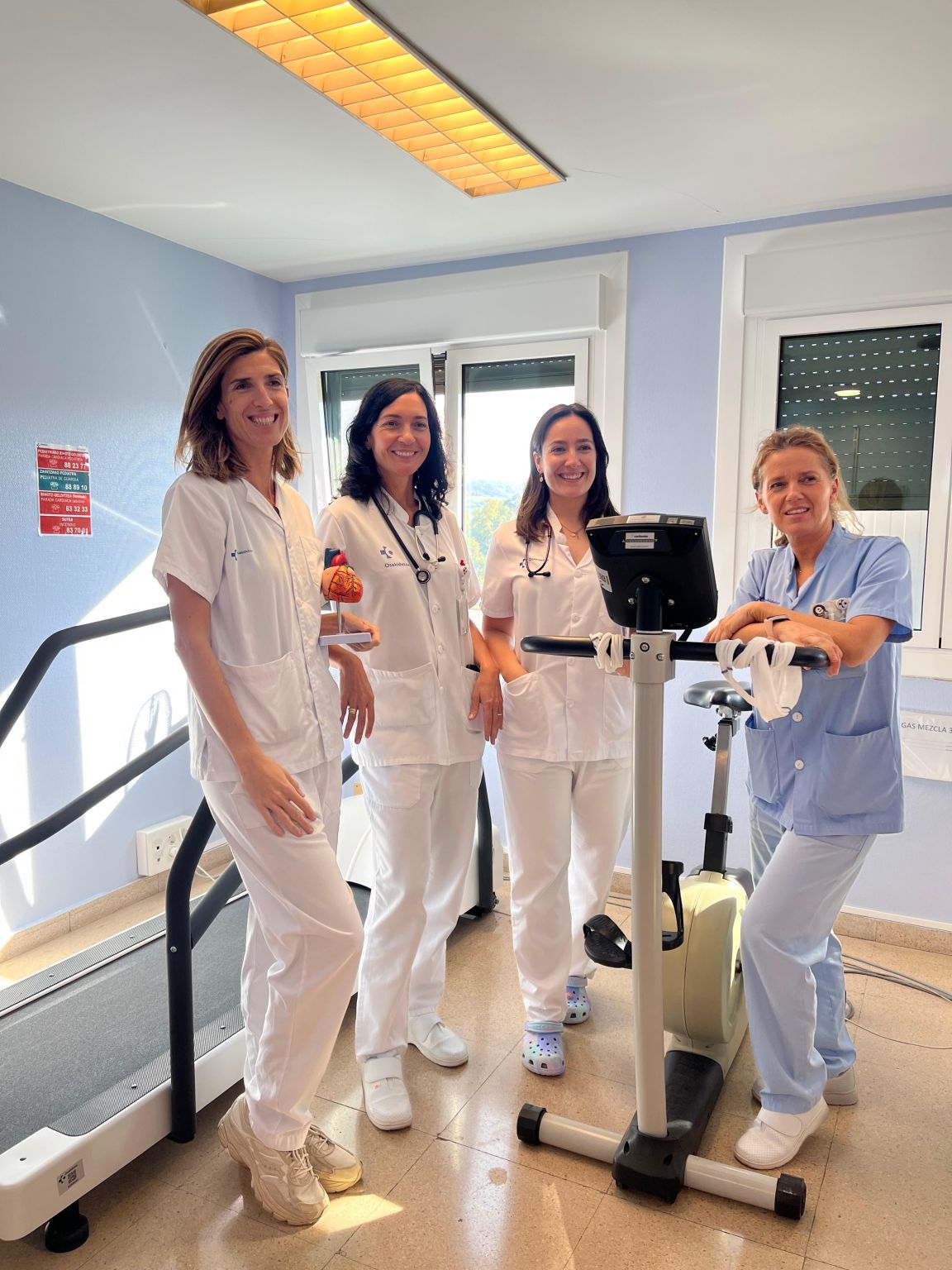
The QUALIREHAB project team has visited Donostia University Hospital in San Sebastián (Gipuzkoa) for an in-person working meeting with the local clinical and research team that will lead the rollout of the study in Spain.
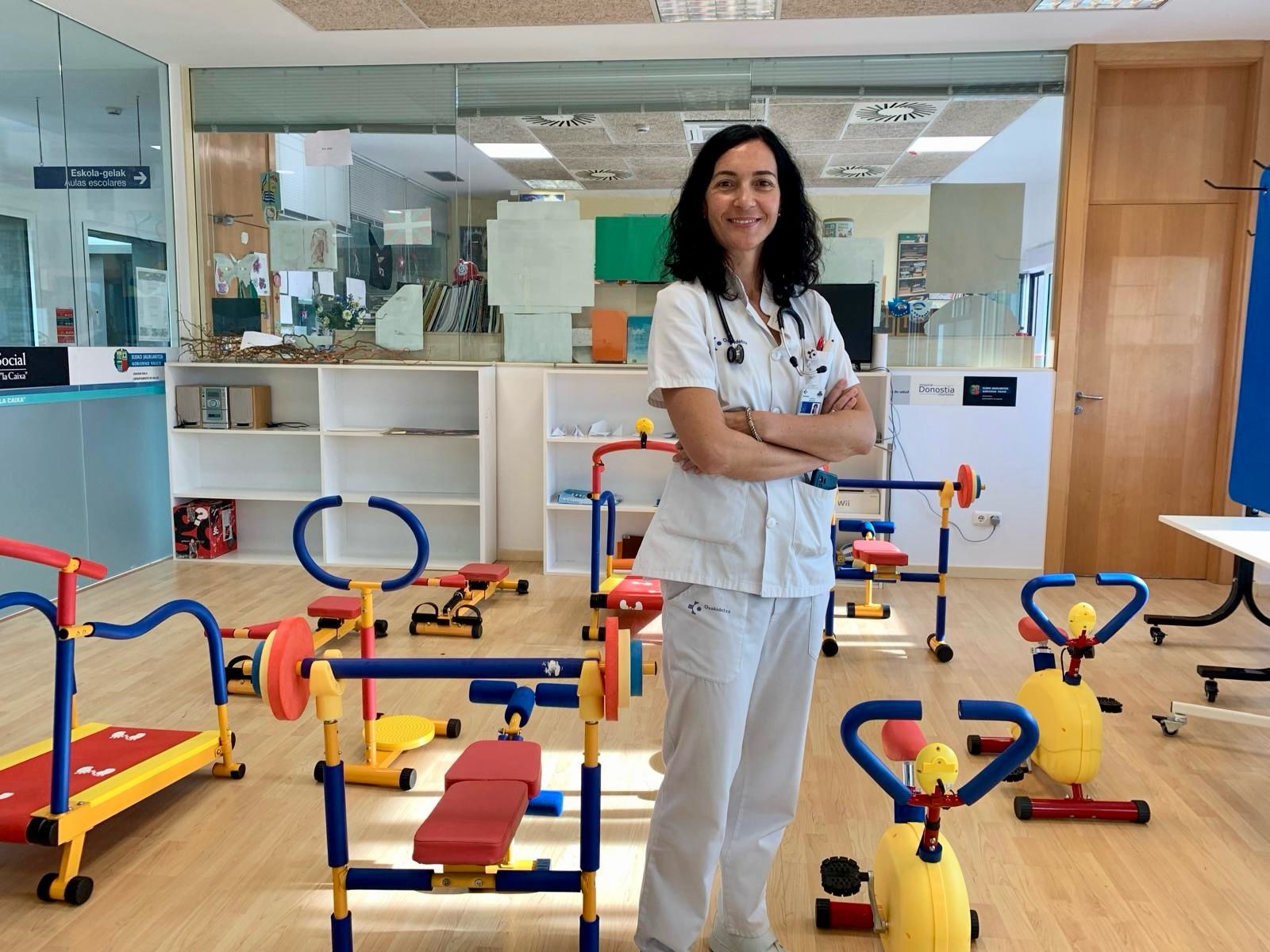
During the visit, consortium representatives toured the center's rehabilitation facilities, including the pediatric and general cardiac rehabilitation gyms located in the Materno-Infantil and Amara buildings, and held operational meetings with Dr Erika Rezola Arcelus, Principal Investigator of the project in Spain at Donostia University Hospital and the Biogipuzkoa Health Research Institute (IIS Biogipuzkoa).
This visit formalizes the arrival of the QUALIREHAB model in the Spanish public hospital network, under the scientific responsibility of Prof Pascal Amedro (Bordeaux University Hospital) and the European transnational coordination of Dr Marion Audie.
QUALIREHAB-GIRLS: addressing a gender inequity in cardiovascular health
Previous studies of the QUALIREHAB program and the accumulated scientific evidence show that girls, adolescents and young women with congenital heart disease (CHD) have significantly lower levels of physical activity than their male peers and healthy controls. This lower level of exercise leads to early physical deconditioning, lower aerobic capacity (VO₂max) and a more marked decline in perceived quality of life.
This gap reflects a combination of biological, hormonal and psychosocial factors, such as barriers in the perception of medical risk, lack of confidence, and concerns about self-esteem and body image.
To address this inequality, the QUALIREHAB-GIRLS study has been designed as the first hybrid, holistic and gender-sensitive cardiac rehabilitation intervention, aimed specifically at young women aged 8 to 25 with congenital heart disease.
What does the 12-week hybrid intervention involve?
The personalized telerehabilitation program will run for 12 weeks, combining clinical supervision at the hospital with continued training at home:
- Individualized physical training: Sessions of prescribed aerobic exercise and muscle strengthening adapted to each patient's initial capacity, assessed through her cardiopulmonary exercise test (CPET).
- Psychological and psychosocial support: Interventions aimed at strengthening motivation, working on self-esteem and body acceptance, and overcoming anxiety related to physical exercise.
- Therapeutic education: Practical training modules on self-care, nutrition and healthy lifestyle habits, for both the patient and her family.
- E-health follow-up: Continuous monitoring through the project's digital platform and wearable devices (smartwatches) to ensure safety and adherence at home.
Institutional support and integration into the health system
The development of the QUALIREHAB-GIRLS study in the Basque Country is supported by competitive funding of €145,200 awarded by the Basque Foundation for Health Innovation and Research (BIOEF) through the 2025 Grants for Research Projects in Cardiovascular Diseases (EITB Maratoia), granted to IIS Biogipuzkoa.
In addition, the trial is formally part of Work Package 4 (Clinical Implementation) of the European framework project THCS (Transforming Health and Care Systems), co-funded by the European Union's Horizon Europe program.
This initiative aligns its objectives with the priority strategies of the Basque Government's Department of Health and Osakidetza, with the ambition of demonstrating the feasibility and cost-effectiveness of a replicable model that turns prescribed physical exercise into a standard care service integrated into the service portfolio of public health systems.