All news
Read the latest updates from the QUALIREHAB program. Research milestones, congress presentations, team news and project developments across Europe and the United States.
November 2026
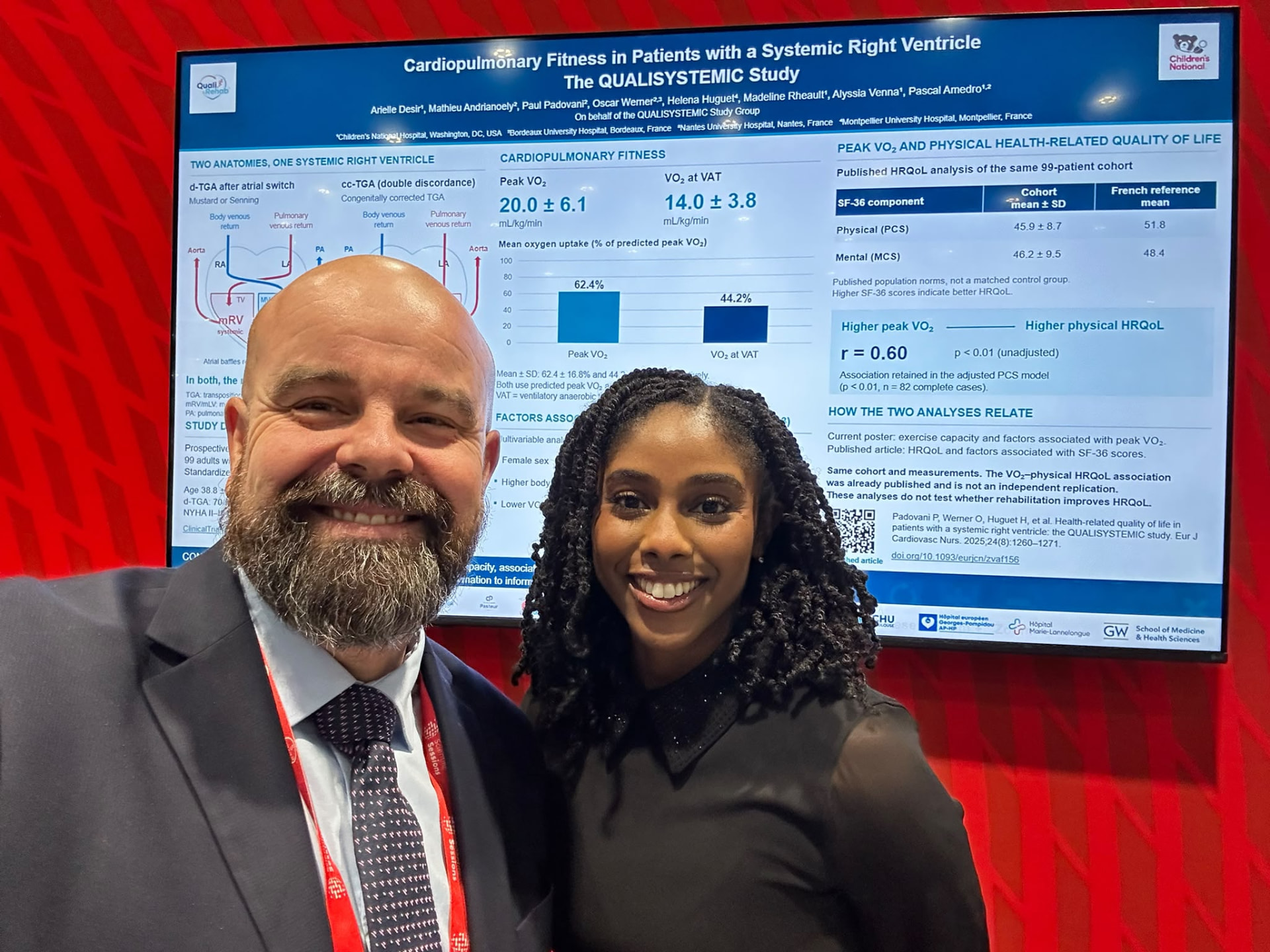
Arielle Desir presents progress of the QUALISYSTEMIC study
Researcher Arielle Desir (MPH) presented the progress of the QUALIREHAB program at the American Heart Association Scientific Sessions, in collaboration with Children's National Hospital.
Read more →
November 2026
QUALIREHAB participates in the THCS Thematic Atelier
QUALIREHAB took part in the THCS Thematic Atelier in Bilbao on 9 November, where researchers from THCS-funded projects exchanged experiences on how to communicate the value of their research and engage stakeholders.
Read more →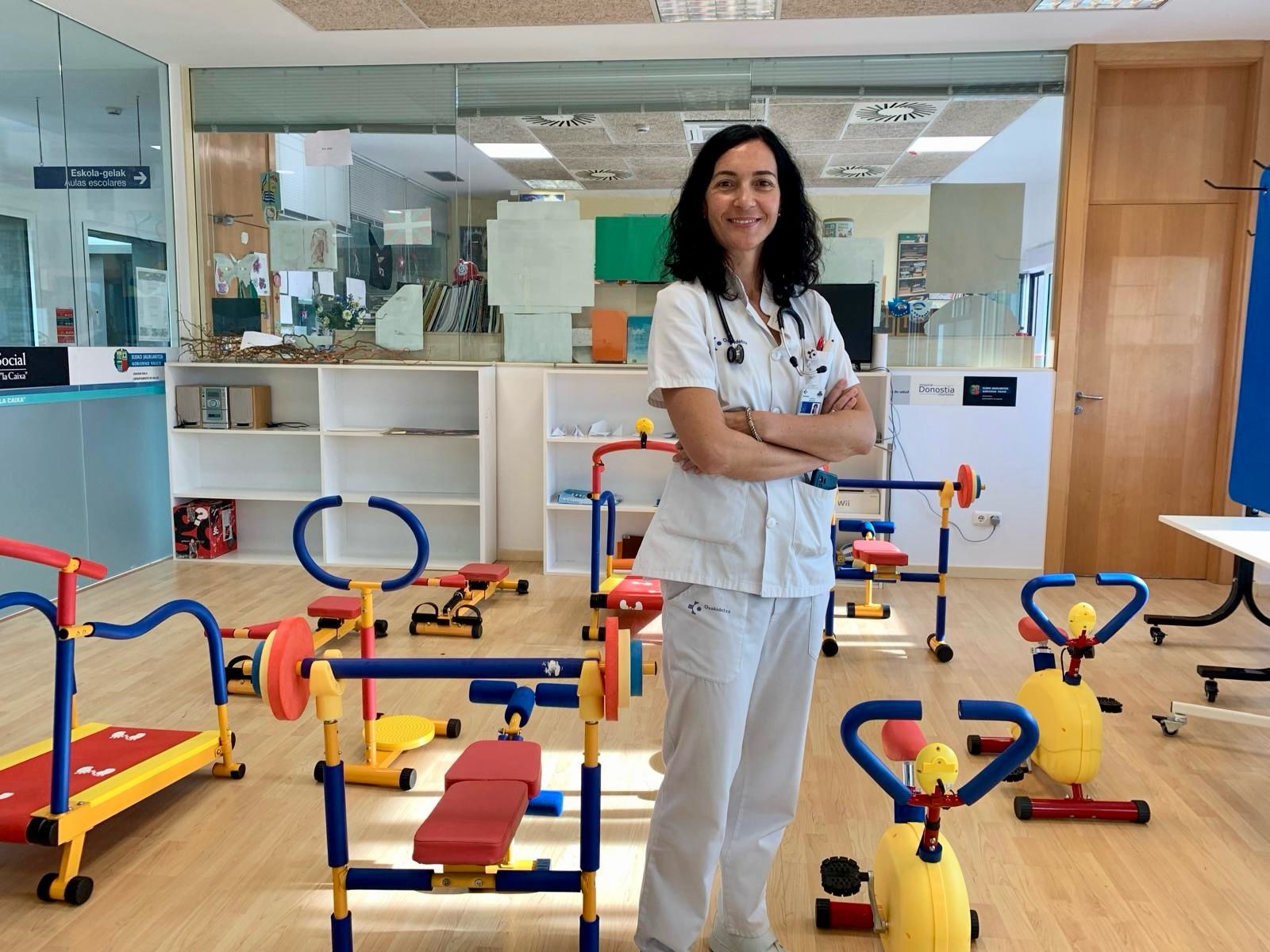
November 2026
Donostia University Hospital in San Sebastián will host the QUALIREHAB-GIRLS study
We visited Donostia University Hospital to meet the team and see the facilities where the QUALIREHAB-GIRLS project will be implemented in Spain, a pioneering intervention adapted to girls, adolescents and young women.
Read more →
November 2026
La Fe participates in the validation of a model to assess cardiopulmonary fitness in children and adolescents
A study involving three Spanish hospitals, including La Fe, has validated a more accurate model to assess cardiopulmonary fitness in children and adolescents. The work is part of the QUALIREHAB project.
Read more →
October 2026
Pascal Amedro speaks at ERKNet webinar on exercise in children with kidney disease
On October 13, Prof. Pascal Amedro presented an educational webinar organized by ERKNet, in collaboration with ESPN and ERA, on physical activity and exercise in children with chronic kidney disease, discussing our recent CJASN findings and the QUALIREHAB-KIDNEY pilot study.
Read more →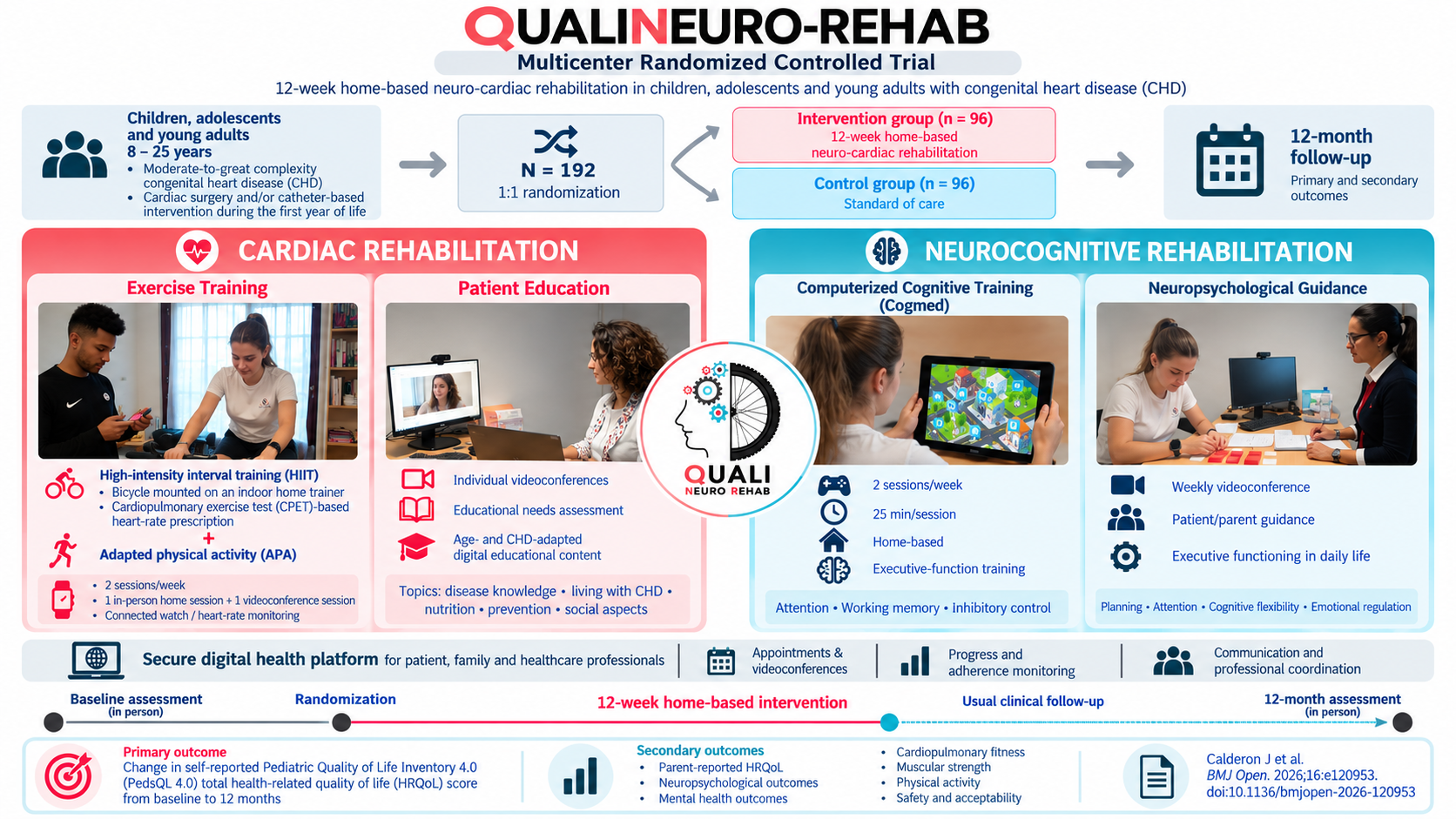
October 2026
QUALINEURO-REHAB study protocol published in BMJ Open
The protocol of our multicenter randomized controlled trial of a 12-week home-based neuro-cardiac rehabilitation program for children and young people with complex congenital heart disease is now published in BMJ Open.
Read more →
September 2026
QUALIREHAB at the ESPN 2026 Annual Meeting in Bordeaux
Dr. Oscar Werner presented our work on exercise rehabilitation in pediatric chronic kidney disease, building on our recent CJASN study.
Read more →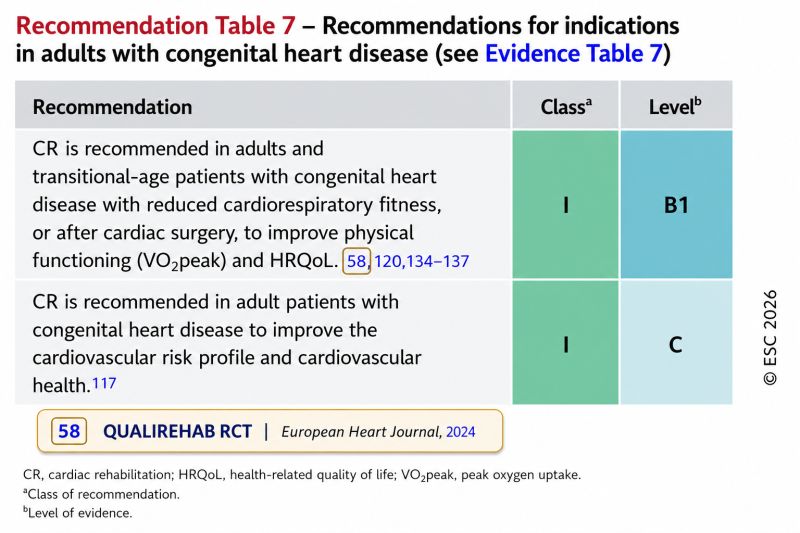
August 2026
QUALIREHAB cited as key evidence in new 2026 ESC Cardiac Rehabilitation Guidelines
The new 2026 European Society of Cardiology Guidelines recommend cardiac rehabilitation for adults with congenital heart disease, citing the QUALIREHAB randomized controlled trial as core supporting evidence for a Class I recommendation.
Read more →
July 2026
QUALIREHAB at the Barth Syndrome Foundation Conference 2026
Prof. Pascal Amedro represented the QUALIREHAB team at the world's largest gathering of the Barth syndrome community in Bonita Springs, Florida.
Read more →
July 2026
New publication: What predicts success in the QUALIREHAB program?
A new paper by Andrianoely et al. published in the Journal of the American Heart Association identifies the key predictors of clinical improvement in the QUALIREHAB hybrid rehabilitation program.
Read more →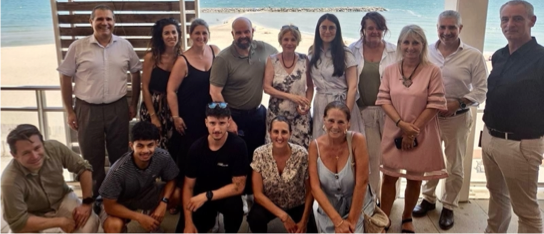
June 2026
QUALIREHAB consortium meets in Palavas-les-Flots
Partners from across Europe gathered at Institut Saint-Pierre in Palavas-les-Flots for a key project meeting reviewing progress and planning the next steps of the EU-funded program.
Read more →
May 2026
QUALIREHAB Supports New Frontiers Research Topic on Pediatric Rehabilitation
The QUALIREHAB team is supporting a new Frontiers Research Topic on Exercise, Rehabilitation and Cardiovascular Health in Children and Young Adults with Chronic Disease, inviting researchers and clinicians worldwide to submit their work.
Read more →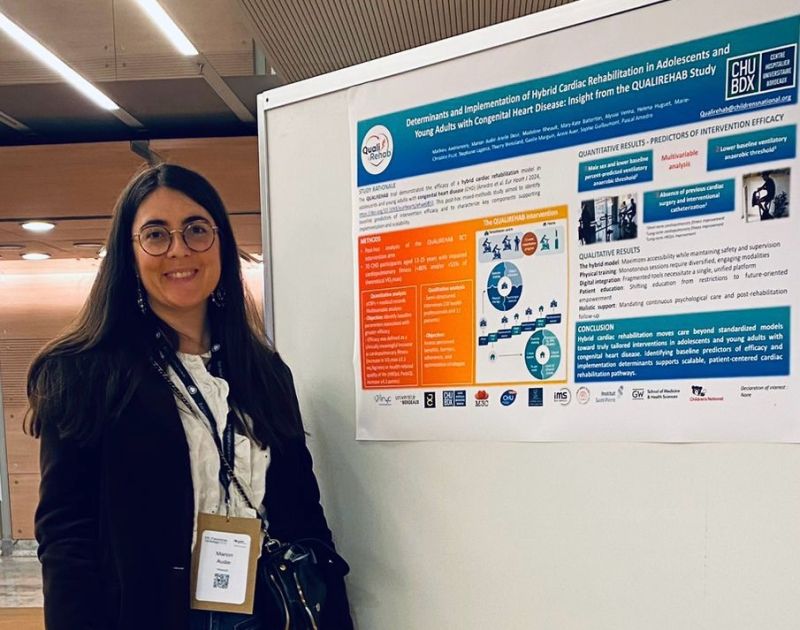
April 2026
QUALIREHAB at ESC Preventive Cardiology 2026, Ljubljana
Dr. Marion Audié presented sub-analyses on hybrid cardiac rehabilitation in adolescents and young adults with congenital heart disease at ESC PREV26.
Read more →QUALIREHAB launches as an EU-funded European project
The new phase extends the validated French model to Spain, Belgium and Switzerland, with first-ever primary-care integration.
Read more →